
Grief and the Healing Process
Grief Support Resources
Grief is different for everyone, yet the acute pain that follows a loss is universal. We’ll help you honor your loved one and cherish the memories they left behind.

Serenity Funeral Home of Southern Utah offers the following resources:
» Center for Loss & Transition
A leading provider of information and inspiration in the areas of illness and dying, loss and grief, healthy caregiving, life transition, and spirituality.
» Sesame Street’s When Families Grieve
Educational content and interactive activities to help support children through their grief.
Videos, resources, newsletter, and an online therapeutic grief program created by Dr. Jason Troyer.
» National Hospice and Palliative Care Organization
Committed to improving end of life care and expanding access to hospice care with the goal of profoundly enhancing quality of life for people dying in America and their loved ones.
When we lose a loved one, the pain we experience may feel unbearable. We move through a variety of emotions, including anger, confusion, and sadness. Grief is complicated and follows its own timetable.
As Deanna Edwards eloquently describes in her book, Grieving: The Pain and the Promise, "Grief is our emotional, physical, spiritual, and intellectual response to loss. It is the overwhelming involvement of all of our senses to deprivation. In its many forms, grief comes to all. It can strike us in unexpected ways at any moment in our lives. It reminds us how vulnerable we are and how fragile life is. Grief is inseparably connected to our capacity to love. The depth of our grief is in direct proportion to the clarity and care with which we have loved."
Take Small Steps and Practice Self Care
Feelings of panic and confusion often follow the death of a loved one. These feelings can cause us to isolate, avoid family and friends, and refuse to try new things. In the early stages of the grieving process, we may find it difficult to engage in familiar and necessary activities. While these feelings are normal, our willingness to accept the loss can help us overcome panic and confusion.
Some people blame themselves following the death of a loved one. Focusing on guilt can prevent recovery. Talking with friends, family, or a counselor can aid in confronting and dealing with unresolved feelings. If allowed, grief can be a time of valuable personal growth and advancement as you discover new things about yourself and the depth of your inner strength.
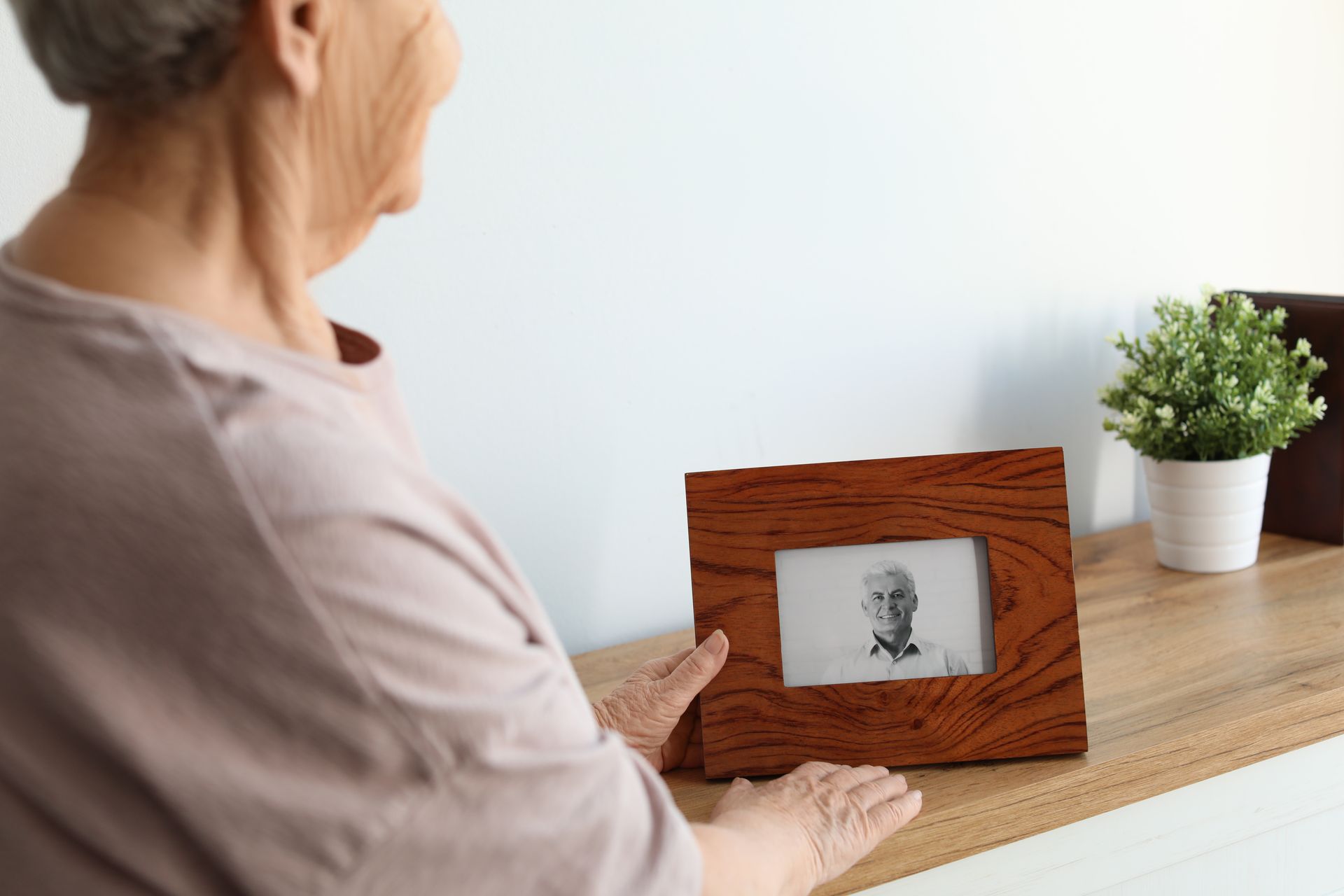

To set yourself on the path towards healing, grief experts recommend the following tips:
- Give yourself permission to grieve.
- Don't be afraid to cry.
- Be patient with yourself - grieving takes time and feelings of sadness and despair dissipate slowly.
- Find a compassionate listener.
- Lean on old relationships and reach out to build new relationships.
- Live in the moment taking one day at a time.
- Postpone making major decisions until you feel confident.
- Focus on your major responsibilities - family, job, home, and friends.
- Join a support group.
- Take care of your body by exercising, eating properly, and resting.
- Knowledge is power. Learn about grief through books and videos.
- Realize that it's normal and acceptable to feel angry, sad, and lonely.
- Don’t panic when you have a setback. Grief has its own individual timetable.